
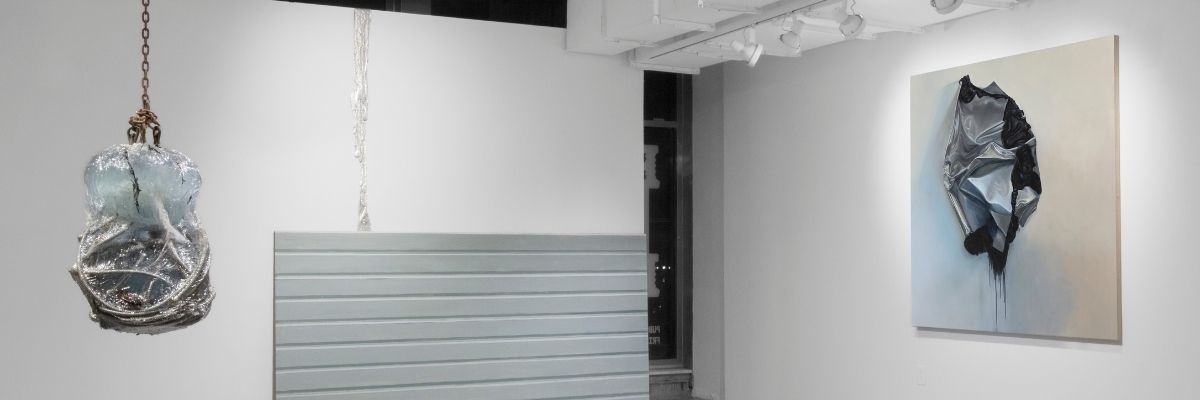
NADIA YOUNES
Nadia Younes is an interdisciplinary artist working in painting, sculpture, installation, and writing. Born in Nazareth to a Palestinian refugee father and a Soviet immigrant mother, she spent her early years moving between Israel, Mali, Mauritania, Jordan, and Russia. Younes holds an MFA from the Yale School of Art, a BFA from the Bezalel Academy, and a diploma from the Imperial Academy in St. Petersburg, Russia. Her training includes scientific glassblowing, lithography, and marble carving. She has co-taught and mentored at the Yale School of Art, Bezalel, and through community-based initiatives. Younes’s work has been exhibited at the Ely Center for Contemporary Art, Perrotin Gallery New York, The Study at Yale, and ZAZ10TS in Times Square. She has participated in residencies at Vermont Studio Center, Monson Arts, the John David Mooney Foundation, and ISPMFA. She is a recipient of the Wingate Charitable Foundation Fellowship and the Winsor & Newton Award for Excellence in Painting.
ARTIST STATEMENT
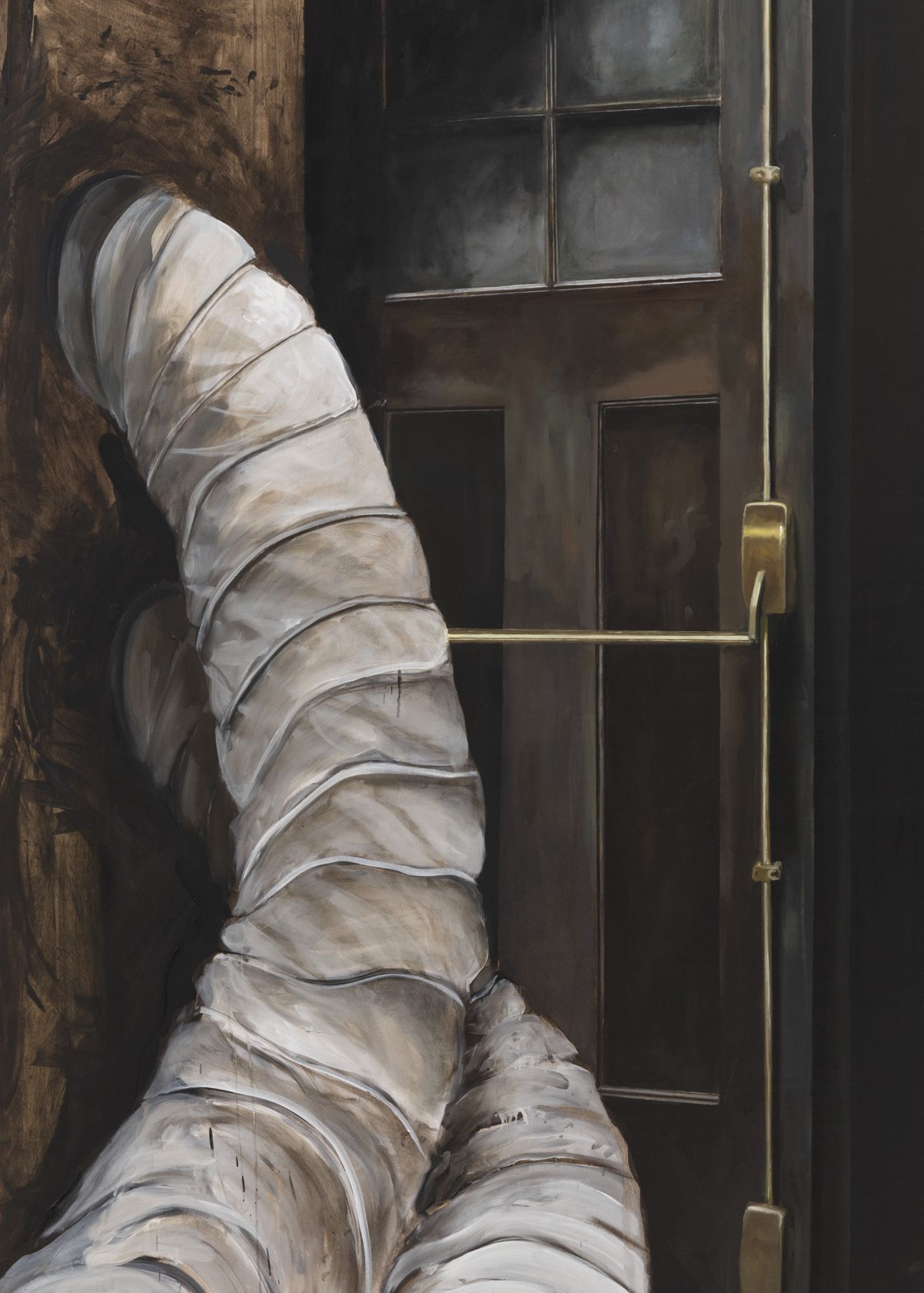
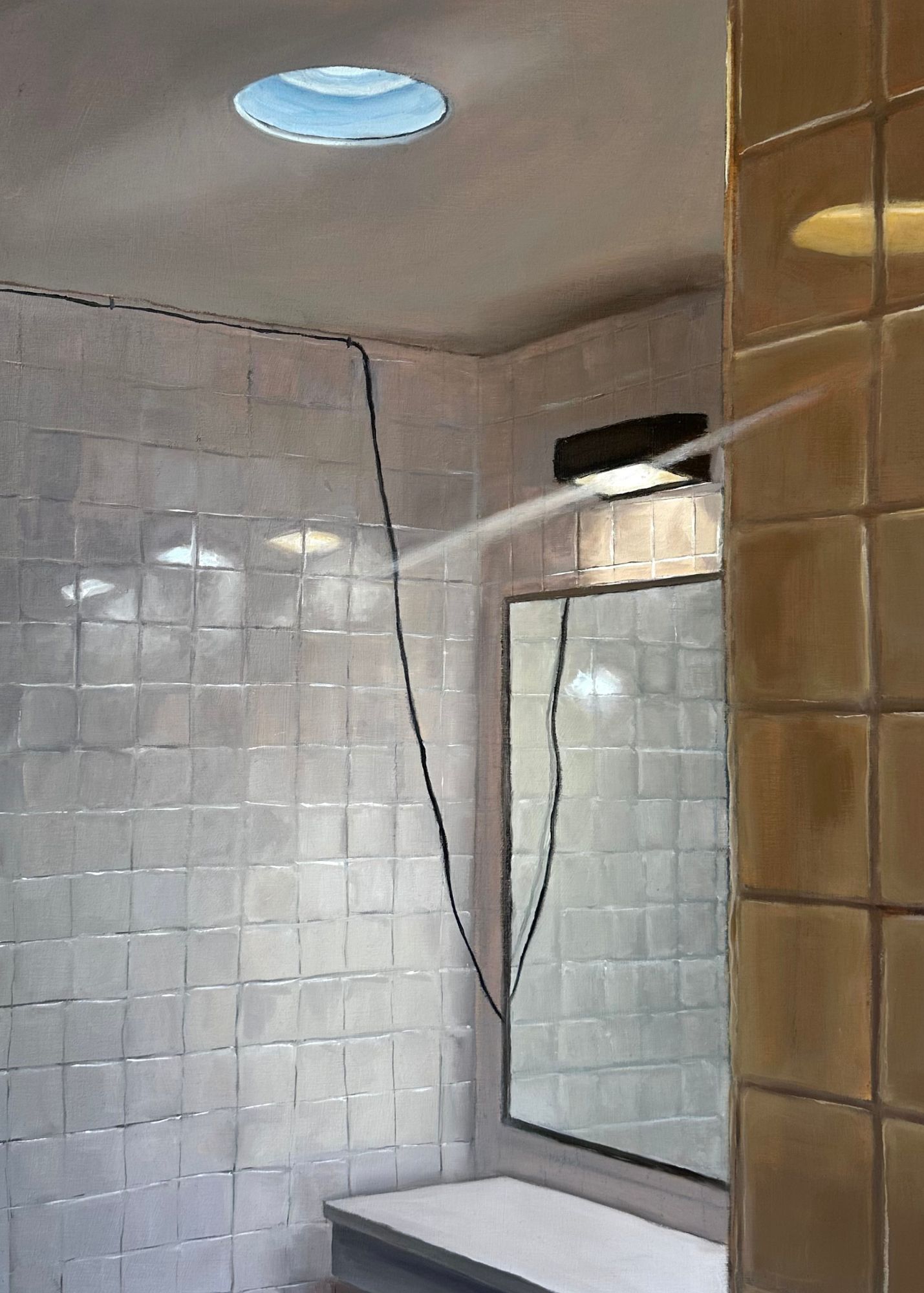
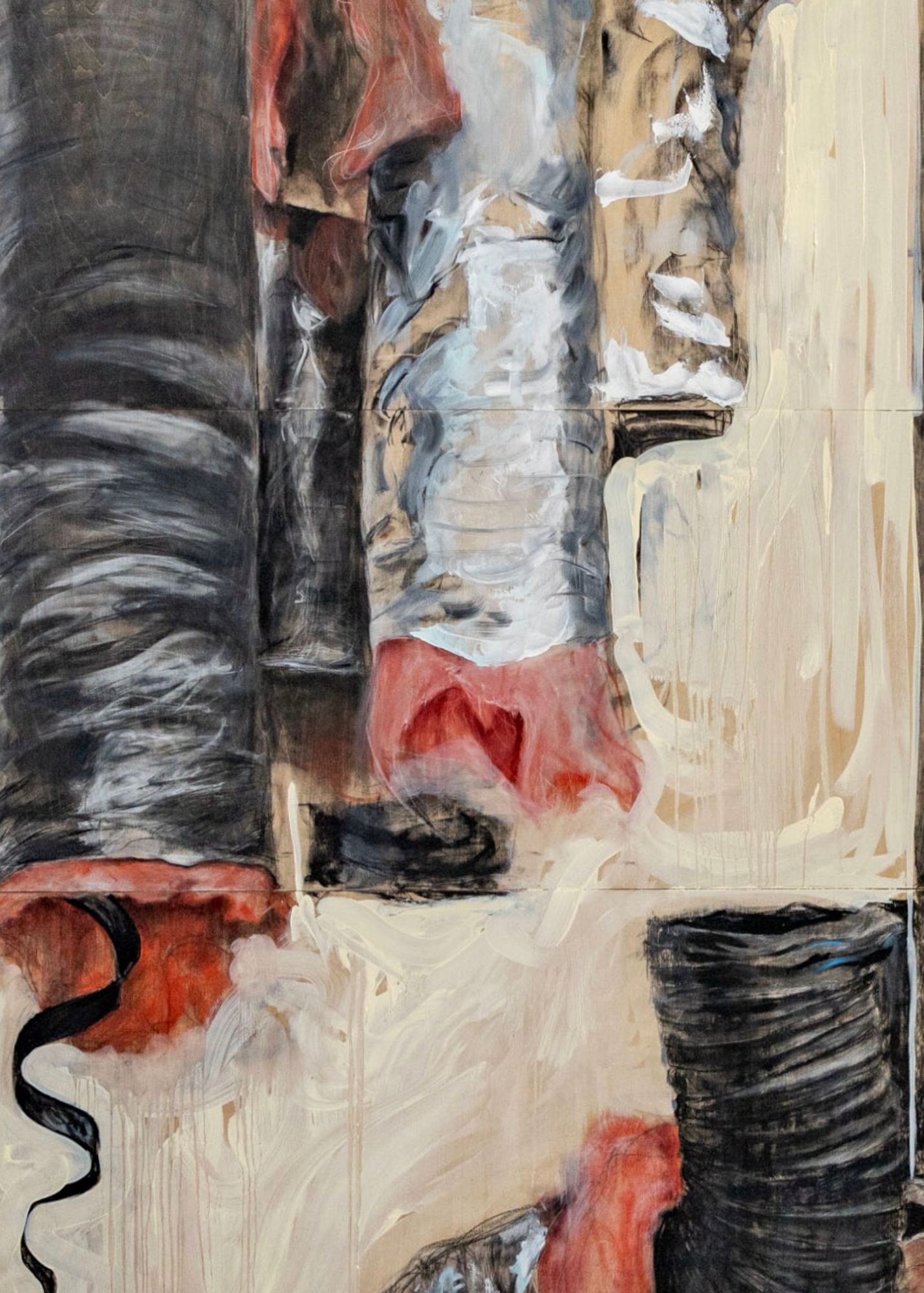
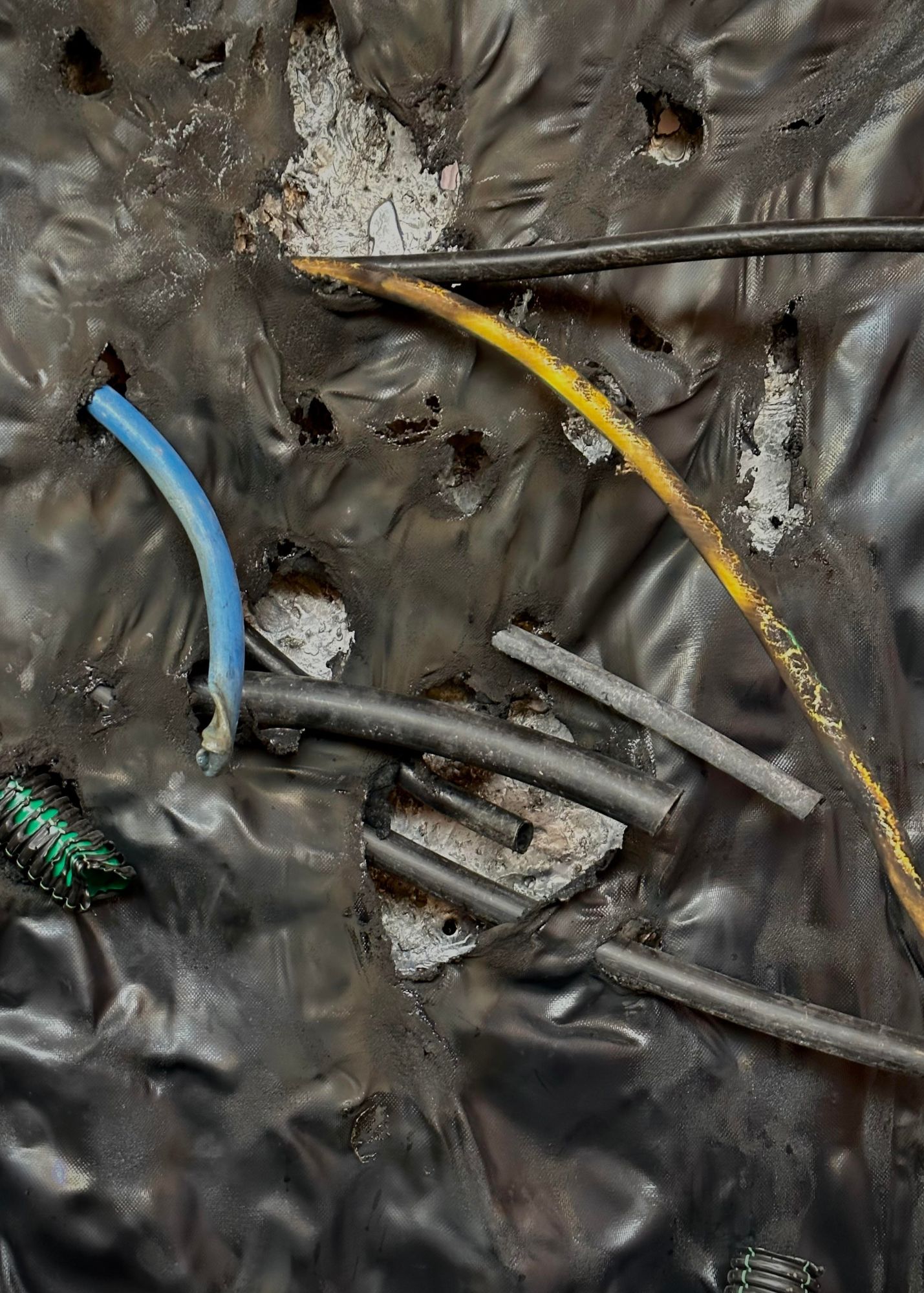
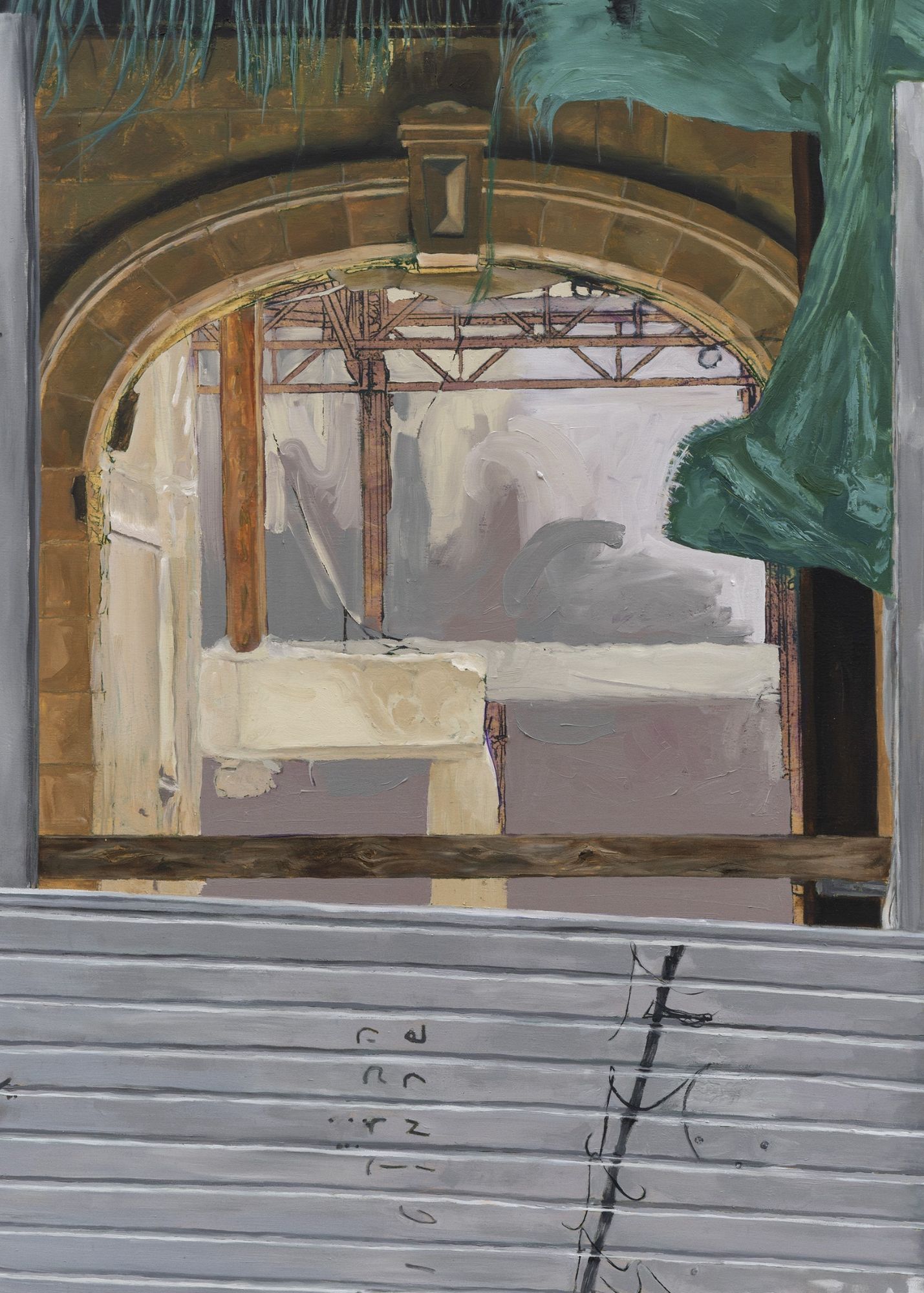
I work in painting, sculpture, installation, and writing. Moving between these disciplines, I pair classical techniques with demolition scrap, conduit, epoxy, insulation foam, and acrylic paint skins. These materials begin in their original contexts, then I bend, abrade, and reconfigure them. By testing their limits, I explore the tension between surface and structure.
Liminal architectures inform my visual language, including construction zones, borders, and exposed utilities. In these spaces, transitions such as concrete-to-drywall or pipe-to-insulation are laid bare. These thresholds reveal notions of access, refusal, presence, and absence. I am drawn to fragments of ‘third spaces’ where representation negotiates exposure. My paintings often begin photorealistically, but material properties disrupt this illusion, pushing the substrate to its limits.
My relationship to salvaged metal is personal before it’s aesthetic. I grew up in a family shaped by displacement, scarcity, and survival—my father’s side navigating migration routes from Gaza and my mother’s from post-Soviet Russia. I spent my childhood around people who collected and resold metal. These experiences shape how I read cultural codes through architecture and draw me to unstable sites.
Visual and emotional emptiness grounds my practice. Landscapes of doubt, longing, and confusion emerge from color and architectural fragments. As I study forms in suspension and collapse, I focus on what holds together, both materially and emotionally, amid shifting memory, experience, and place.